Exploring Hawker Culture Through a Morning Market Tour in Singapore: A Journey into Local Food Heritage
Introduction: Discover Singapore Through Its Food CultureSingapore is famous for its modern skyline, luxury shopping malls, and impressive architecture, but some of its most meaningful cultural experiences begin early in...
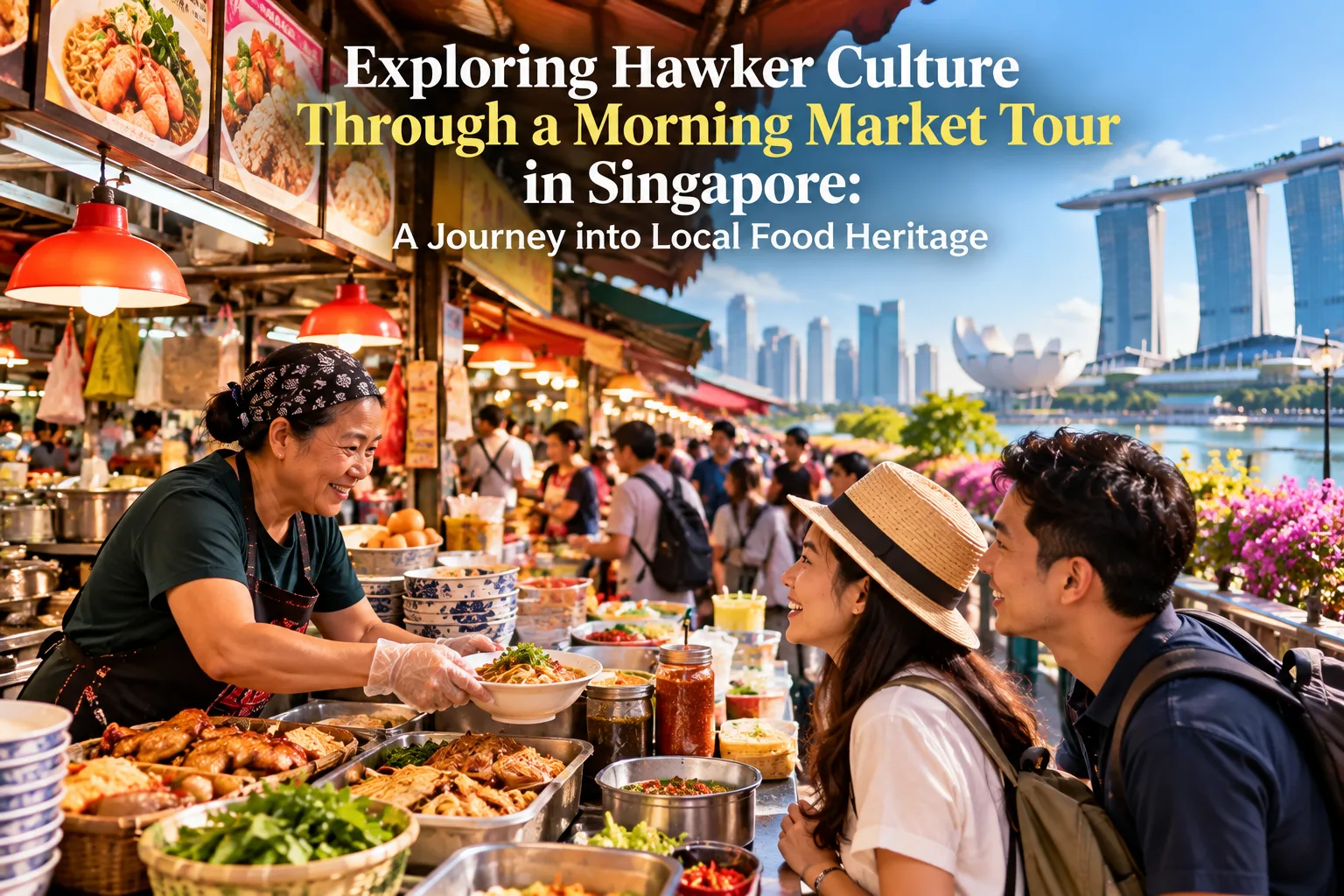
Exploring Hawker Culture Through a Morning Market Tour in Singapore: A Journey into Local Food Heritage
Introduction: Discover Singapore Through Its Food Culture

Singapore is famous for its modern skyline, luxury shopping malls, and impressive architecture, but some of its most meaningful cultural experiences begin early in the morning, when local markets and hawker centres start welcoming their first customers.
Joining a morning market tour to explore Singapore's hawker culture is a wonderful way to discover the city through its food, people, and everyday traditions. Instead of simply visiting famous attractions, you can watch vendors prepare breakfast, listen to the sounds of busy food stalls, sample traditional dishes, and learn how different communities have shaped Singapore's culinary identity.
Hawker culture brings together Chinese, Malay, Indian, and other culinary influences in a uniquely Singaporean food scene. It is not just about eating affordable meals; it is also about community, family traditions, entrepreneurship, and the simple pleasure of sharing food.
For travelers seeking authentic cultural experiences, an early-morning food tour offers a delicious introduction to the real rhythm of Singaporean life.
1. Start the Morning With a Traditional Singaporean Breakfast
One of the best ways to begin a hawker market tour is with a traditional breakfast at a local coffee shop, known as a kopitiam, or a nearby hawker centre.

A classic Singaporean breakfast often includes kaya toast, soft-boiled eggs, and kopi, the local style of coffee. Kaya is a sweet spread made with coconut milk, eggs, and sugar, sometimes flavored with pandan leaves. It is usually served on toasted bread with butter.
This breakfast tradition reflects the influence of Hainanese communities and the evolution of Singapore's coffee-shop culture. It remains a familiar morning ritual for people from different backgrounds.
During a guided food tour, you can learn how locals order their drinks, discover the differences between kopi and teh (tea), and enjoy breakfast while watching the neighborhood wake up.
What to try:
Kaya toast with butter
Soft-boiled eggs seasoned with pepper and dark soy sauce
Kopi, traditional local coffee
Teh, local milk tea
The combination is simple, comforting, and an excellent introduction to Singapore's everyday food culture.
2. Explore a Traditional Morning Market
After breakfast, continue to a traditional market to explore the ingredients, vendors, and food traditions that shape Singaporean cuisine.
A place such as Geylang Serai Market offers an opportunity to discover Malay and broader regional food traditions, with market stalls and cooked-food vendors contributing to the neighborhood's lively atmosphere.
As you walk through the market, look for fresh vegetables, spices, seafood, tropical fruits, and ingredients used in everyday home cooking. Depending on the stalls and time of your visit, you may also find traditional snacks and prepared dishes.
A local guide can explain how ingredients are used in dishes such as nasi lemak, mee rebus, and other regional specialties. You may also learn about the cultural influences behind different cooking methods and flavor combinations.
The market is more than a place to buy food. It provides a window into the routines of residents who shop, eat, and socialize in familiar neighborhood spaces.
3. Taste Singapore's Famous Hawker Dishes

No morning market tour would be complete without sampling some of Singapore's best-known hawker dishes.
Hawker centres bring together food traditions influenced by Chinese, Malay, Indian, and other communities. Over time, these culinary traditions have adapted to local tastes and become an important part of Singapore's national identity.
Depending on the stalls available and the timing of your visit, you might try:
Hainanese chicken rice: Fragrant rice served with tender chicken, chili sauce, and ginger.
Laksa: Noodles in a rich, aromatic broth, often featuring coconut milk and seafood.
Roti prata: Flaky flatbread served with curry.
Char kway teow: Stir-fried flat rice noodles with a savory, smoky flavor.
Nasi lemak: Rice cooked with coconut milk, commonly accompanied by sambal and various side dishes.
Not every dish is available early in the morning, so a good tour focuses on what vendors are actually serving that day.
Rather than ordering one large meal, consider sharing small portions with your group. This allows you to sample several flavors while learning about the stories and techniques behind each dish.
4. Meet the Hawkers Behind the Food
The people preparing the food are at the heart of Singapore's hawker culture.
Many hawkers specialize in a particular dish, refining their techniques over years of practice. Some recipes and skills are passed from one generation to another, helping preserve culinary knowledge while allowing dishes to evolve.
During your morning tour, watch how vendors prepare ingredients, manage busy orders, and serve customers with remarkable efficiency.
If a stall is not busy, you might politely ask the hawker how long they have been cooking a particular dish or what makes their recipe distinctive. A guide can help translate and explain local food terminology.
These encounters can be among the most memorable moments of the trip. They remind visitors that food heritage survives through the knowledge, dedication, and daily work of real people.
5. Discover Why Hawker Culture Matters to Singapore
Singapore's hawker culture was inscribed on UNESCO's Representative List of the Intangible Cultural Heritage of Humanity on December 16, 2020. The recognition celebrates not just the food but also the social practices and community connections surrounding hawker centres.
Hawker centres are often described as community dining rooms because people from different backgrounds gather there to eat and socialize. Office workers, families, retirees, students, and visitors share tables and enjoy familiar dishes.
This everyday interaction is a major part of what makes the experience special.
A morning market tour therefore offers more than a culinary adventure. It helps travelers understand how Singapore's multicultural identity is expressed through everyday meals, local businesses, and shared public spaces.
6. Tips for Enjoying a Morning Hawker Market Tour
To make the most of your experience, keep these practical suggestions in mind:
Start early: Morning visits let you experience breakfast traditions and the daily market routine.
Bring cash: Some stalls may prefer cash, although payment options vary.
Wear comfortable shoes: Markets and hawker centres can involve considerable walking.
Sample small portions: You will have more room to discover different dishes.
Respect local customs: Ask before photographing vendors or customers.
Keep shared tables tidy: Follow the centre's seating and tray-return practices.
Mention dietary requirements: Check ingredients carefully, especially for seafood, nuts, meat, and sauces.
Choose a knowledgeable local guide: A guide can explain the cultural background of dishes and help with ordering.
Remember that hawker centres are working community spaces. Being considerate of vendors and other diners helps preserve the welcoming atmosphere that makes them special.
7. The Best Time to Join a Singapore Morning Market Tour
The early morning is ideal if you want to focus on breakfast stalls, traditional coffee, and neighborhood markets. Many hawker centres operate at different hours, however, and individual stalls may open later or close on particular days.
Before booking a tour, check its meeting time, the market itinerary, and which food tastings are included.
If your main interest is traditional breakfast, choose a tour that begins early enough to visit a local kopitiam. If you prefer a broader culinary experience, look for one that combines a market visit with several hawker dishes.
Allow time to sit down and enjoy your food rather than treating the experience as a race between stalls.
Final Thoughts
Exploring Singapore's hawker culture through a morning market tour is a delicious way to discover the city's everyday life. From kaya toast and traditional kopi to colorful market stalls and beloved local dishes, every stop reveals another part of Singapore's rich culinary heritage.
What makes the experience truly memorable is the combination of food, people, and community. You can taste recipes shaped by generations of cooks, meet the hawkers who keep culinary traditions alive, and see how people from different backgrounds share familiar public spaces.
For travelers looking for authentic cultural experiences in Singapore, a morning hawker tour is well worth adding to the itinerary. Arrive early, bring your appetite, ask questions, and be willing to try something new.
Sometimes, the best way to understand a city is to sit down at a shared table, order breakfast, and experience the morning alongside the people who call it home.