Joining a Newari Feast in Patan: A Culinary Journey into Nepalese Culture and Tradition
In the historic city of Patan, Nepal, food is much more than nourishment. It is a way to celebrate family, honor traditions, welcome guests, and strengthen community relationships. Behind the city's beautiful temples, in...
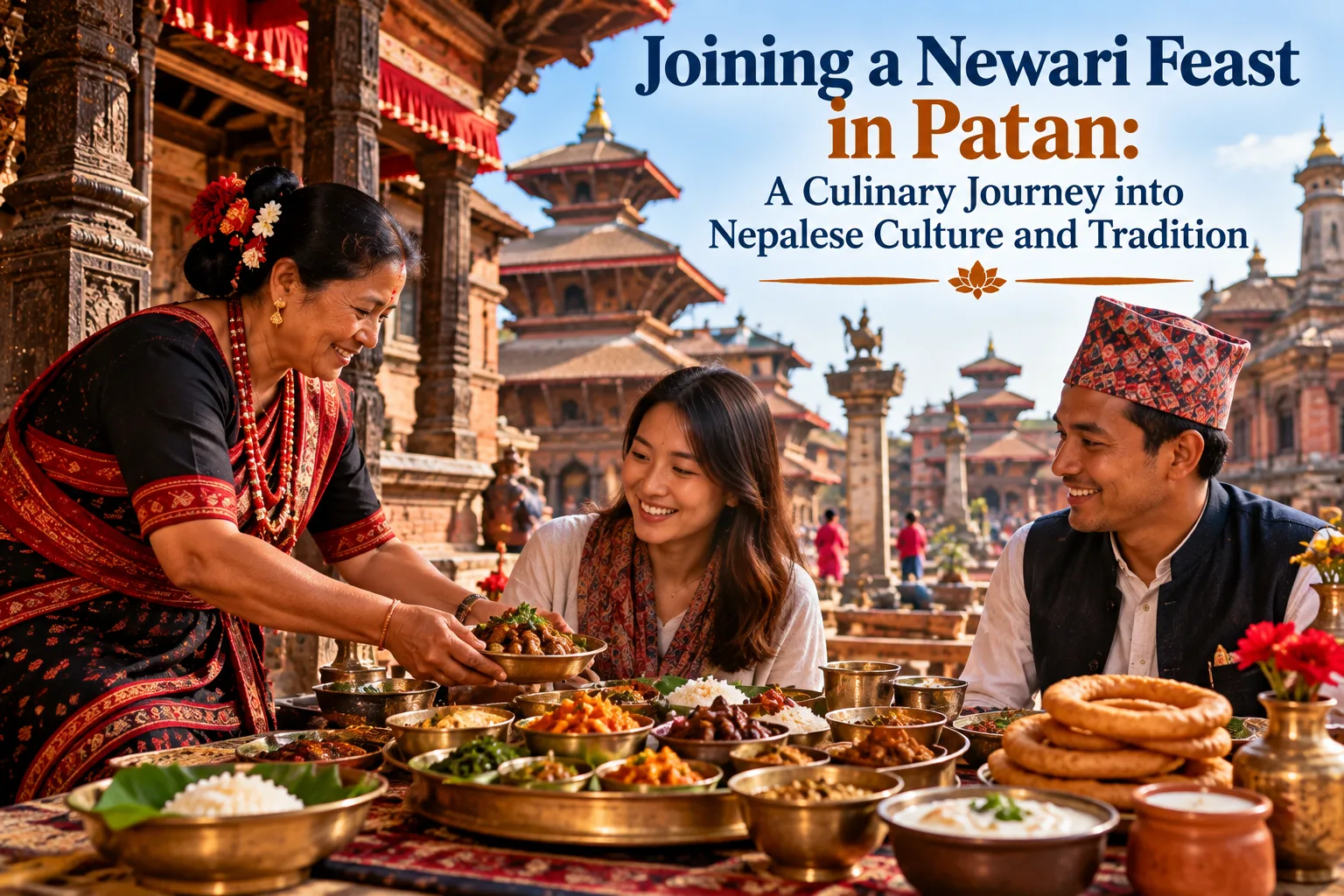
Joining a Newari Feast in Patan: A Culinary Journey into Nepalese Culture and Tradition
In the historic city of Patan, Nepal, food is much more than nourishment. It is a way to celebrate family, honor traditions, welcome guests, and strengthen community relationships. Behind the city's beautiful temples, intricately carved wooden windows, and ancient courtyards lies a rich culinary heritage preserved by the Newar people of the Kathmandu Valley.
Joining a Newari feast in Patan offers travelers a unique opportunity to experience this heritage through traditional dishes, communal dining, and the stories behind generations of cooking practices.
Known for its distinctive flavors, diverse ingredients, and elaborate ceremonial meals, Newari cuisine reflects the cultural identity of one of Nepal's most historically significant communities.
Whether you are a food enthusiast, a cultural traveler, or someone eager to discover authentic local experiences, sharing a Newari feast can be one of the most memorable ways to explore Patan beyond its famous monuments.
1. Discover the Cultural Significance of a Newari Feast

The Newars are the historic inhabitants of the Kathmandu Valley, known for their distinctive language, artistic traditions, festivals, architecture, and culinary heritage.
A traditional Newari feast, often associated with the word bhoye or bhoj depending on context, can be an important part of weddings, religious observances, family gatherings, and community celebrations.
These occasions bring people together through carefully prepared dishes and established customs of hospitality. The menu, serving order, and ceremonial meaning may differ according to the event, family, and community.
Newari cuisine has developed over centuries through local agricultural practices, seasonal ingredients, and cultural exchanges within the Kathmandu Valley. Its traditions are closely connected to the social and religious life of the Newar community.
For visitors, participating in an appropriately arranged feast offers a chance to learn how food preserves cultural identity and strengthens relationships between generations.
The experience is particularly meaningful when a local host explains the dishes, their preparation, and the customs surrounding the meal.
2. Taste the Signature Dishes of a Newari Feast

One of the highlights of joining a Newari feast in Patan is discovering the remarkable variety of dishes served together. A traditional spread may combine grains, vegetables, meat, fermented foods, pickles, and snacks, creating a balance of textures and flavors.
Here are some specialties to look for during your culinary experience.
Samay Baji: A Traditional Newari Food Platter
Samay Baji is a celebrated Newari food assortment commonly associated with festivals and religious occasions. Its components vary, but a platter may include beaten rice, spicy roasted or grilled meat, black soybeans, potato preparations, and other accompaniments.
Each ingredient contributes a different texture and flavor, from the crunch of beaten rice to the heat of local spices.
Choila: A Flavorful Spiced Meat Dish
Choila is a well-known Newari preparation traditionally made with grilled or roasted buffalo meat, although other versions exist. The meat is seasoned with spices, chili, herbs, and mustard oil to create a bold, smoky flavor.
It is often served as part of a larger meal rather than as a standalone dish.
Bara: A Savory Lentil Pancake
Bara is a thick savory pancake made from ground lentils. It can be prepared in different styles, including versions containing egg or minced meat.
Its crisp exterior and soft interior make it a popular snack and a welcome addition to a Newari meal.
Yomari: A Sweet Traditional Treat
Yomari is a distinctive steamed dumpling made from rice flour and commonly filled with a sweet mixture of chaku, a concentrated molasses-like substance, or other fillings.
It is particularly associated with the Newari festival of Yomari Punhi, which celebrates the rice harvest.
Sampling these dishes with a local host helps visitors understand not only their ingredients but also their place in Newari celebrations and everyday life.
3. Experience Newari Hospitality in a Traditional Patan Setting
The setting of a Newari feast can be just as memorable as the food itself.
Patan, also known as Lalitpur, is celebrated for its historic architecture, traditional courtyards, temples, and craftsmanship. Its cultural landscape provides a fascinating backdrop for discovering Newari customs.
Depending on the host and occasion, a feast may take place in a family home, a traditional courtyard, a community venue, or a restaurant specializing in Newari cuisine.
During an organized culinary experience, your host may explain how families prepare for important gatherings, how recipes are passed down, and why certain foods are associated with particular ceremonies.
You may also learn about traditional table manners, the significance of serving particular dishes, and the role of hospitality in Newari culture.
Not every feast is open to visitors, so arrange your experience through a local host or responsible cultural-tour operator rather than attending a private gathering without an invitation.
4. Learn About Traditional Cooking Techniques and Family Recipes
Newari cuisine is shaped by a variety of preparation methods, including roasting, grilling, steaming, frying, and fermenting.
Some dishes require careful preparation over several stages, while others depend on balancing spices, controlling heat, or using ingredients at the right stage of freshness.
If your host offers a cooking demonstration, you might observe how lentils are ground for bara, how ingredients are prepared for choila, or how rice flour is shaped into yomari dumplings.
Such demonstrations can reveal the knowledge behind familiar dishes and show how cooking techniques are preserved within families.
You may also discover how seasonal ingredients influence a menu and why particular dishes appear during festivals or agricultural celebrations.
Ask permission before entering kitchen areas or photographing the cooking process. Some family recipes and ceremonial practices may be considered private, and hosts should always decide what they wish to share.
5. How to Join a Newari Feast Respectfully
A Newari feast is an opportunity to appreciate local culture through food and social interaction. A thoughtful approach will help you enjoy the experience while respecting your host's traditions.
Book through a local host: Look for a community-led culinary experience or a reputable operator familiar with Newari traditions in Patan.
Ask about the occasion: Learn whether the meal is a cultural demonstration, a restaurant experience, or part of a private celebration.
Dress appropriately: Comfortable, modest clothing is a practical choice when visiting homes or religiously significant places.
Follow your host's guidance: Serving customs and seating arrangements may differ between families and occasions.
Discuss dietary requirements beforehand: Newari feasts may include buffalo meat, other meats, dairy, and ingredients that are unsuitable for some diets.
Ask before taking photographs: Respect people's privacy, particularly during religious or family ceremonies.
Show appreciation: Thank your host and, when appropriate, ask about the stories behind the dishes you enjoyed.
Remember that a feast is not simply a tasting session. It is an expression of hospitality and community, so taking time to listen and interact respectfully can make the experience more meaningful.
6. Practical Tips for Planning Your Newari Food Experience in Patan
Patan is conveniently located within the Kathmandu Valley, making it possible to combine a Newari feast with a visit to its historic landmarks.
Consider these practical tips when planning your trip:
Allow enough time: A traditional meal may involve several courses or dishes, so avoid scheduling too many activities immediately afterward.
Explore the historic city: Consider visiting Patan Durbar Square and nearby traditional neighborhoods before or after your meal.
Choose a suitable experience: Ask whether the menu focuses on ceremonial dishes, everyday Newari food, or a combination of both.
Carry some Nepalese rupees: Cash can be useful for small purchases and local food experiences.
Check festival dates: Visiting during an appropriate local festival may provide additional cultural context, although special gatherings are not guaranteed to be accessible to tourists.
Be mindful of food safety: Choose hosts and establishments that handle ingredients hygienically, especially when sampling unfamiliar dishes.
The best experience is one that combines excellent food with genuine cultural interpretation and respectful interaction with the local community.
Final Thoughts
Joining a Newari feast in Patan is a wonderful way to discover the culinary traditions and community values of Nepal's historic Kathmandu Valley.
From the diverse flavors of Samay Baji and choila to the comforting texture of bara and the sweetness of yomari, each dish reveals a different aspect of Newari food heritage.
Yet the true value of the experience goes beyond the menu. Sharing a meal allows travelers to appreciate the hospitality, family knowledge, and cultural traditions that have sustained Newari cuisine for generations.
For visitors seeking an authentic cultural experience in Nepal, joining a Newari feast in Patan offers a memorable journey into local food, history, and community life.
Come with an appetite, remain curious, and take the time to appreciate the stories behind every dish.