Learning to Play Bamboo Percussion: A Hands-On Journey into Traditional Music
Introduction: Discover the Rhythms of BambooMusic does not always require expensive instruments or complicated equipment. Sometimes, a simple piece of bamboo can create a surprising variety of sounds, from deep hollow kn...
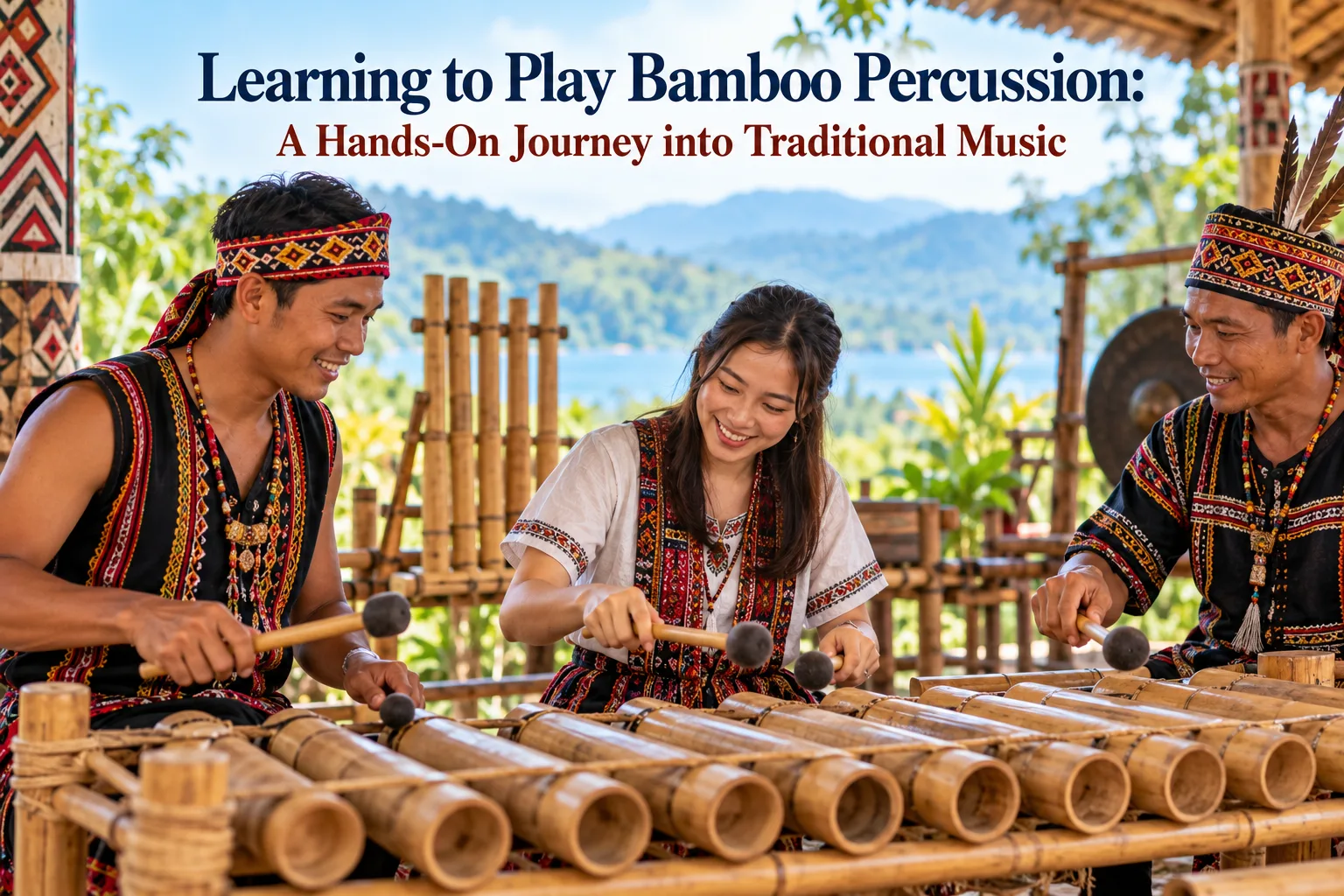
Learning to Play Bamboo Percussion: A Hands-On Journey into Traditional Music
Introduction: Discover the Rhythms of Bamboo
Music does not always require expensive instruments or complicated equipment. Sometimes, a simple piece of bamboo can create a surprising variety of sounds, from deep hollow knocks to sharp clicks, buzzing tones, and rhythmic patterns that bring people together.
Learning to play bamboo percussion is an engaging way to explore traditional music, develop a sense of rhythm, and discover how natural materials become instruments. Across Southeast Asia, bamboo has played an important role in musical traditions, with different communities developing their own instruments, techniques, and performance styles.
In the Philippines, for example, traditional bamboo instruments include buzzers, clappers, stamping tubes, scrapers, and xylophone-like instruments. Each has a distinctive sound and cultural context.
Whether you are a beginner interested in trying something new or a traveler seeking a meaningful cultural activity, a bamboo percussion workshop can offer a memorable introduction to music beyond conventional drums and percussion sets.
1. Understanding Bamboo Percussion Instruments

Bamboo percussion refers to instruments made primarily from bamboo that produce sound when struck, shaken, scraped, clapped, or brought into contact with another surface. Some instruments create a single clear note, while others produce complex buzzing or resonant sounds.
The exact instruments and playing techniques differ across communities, so there is no single universal style of bamboo percussion.
Here are several examples associated with traditional Philippine music:
Bungkaka: Also called a bamboo buzzer, this instrument produces a distinctive buzzing sound when its shaped upper section is struck against the player's palm.
Tongatong: A bamboo percussion instrument associated with Kalinga communities, traditionally played by striking bamboo tubes against the ground.
Bamboo clappers: Split bamboo instruments produce rhythmic sounds when their flexible sections strike one another.
Kagul and tagutok: These are not interchangeable names, but examples of Philippine bamboo instruments that use scraping techniques to create distinctive rhythmic sounds.
Gabbang: A bamboo-keyed xylophone found among communities in the southern Philippines, including Yakan, Sama, Tausug, and Palawan traditions.
These instruments demonstrate that bamboo can serve many musical purposes. Before beginning a lesson, ask your instructor which instrument or tradition the workshop focuses on.
2. What to Expect from a Bamboo Percussion Workshop
A beginner-friendly bamboo percussion lesson usually starts with listening and observation rather than immediately attempting a complicated rhythm.
A knowledgeable instructor may introduce the instrument's name, construction, sound-producing technique, and cultural background before demonstrating a basic pattern.
A typical workshop could include:
Instrument introduction: Learn how the bamboo instrument is made, how it is held, and which parts produce sound.
Sound exploration: Try different striking positions or movements to understand how technique changes the tone.
Rhythm practice: Begin with a simple, repeated pattern and gradually work on timing and consistency.
Group performance: Combine individual patterns with other players to create a coordinated rhythm.
Cultural discussion: Learn about the instrument's community of origin, traditional uses, and place in local music.
The exact format depends on the teacher and musical tradition. Some workshops are designed for casual visitors, while others may be intended for students with more musical experience.
3. Learn the Basic Techniques of Bamboo Percussion
One of the most enjoyable aspects of bamboo percussion is discovering how small movements create different sounds. You do not need advanced musical knowledge to start, but patience and careful listening are important.
Start with a steady beat
Begin by tapping a simple pattern at a comfortable speed. Count evenly—one, two, three, four—and try to keep each beat consistent.
Avoid playing too quickly. A steady, clear rhythm is more useful than a fast pattern that becomes uneven.
Experiment with striking techniques
Depending on the instrument, the instructor may demonstrate tapping, striking, scraping, shaking, or clapping movements.
Use the technique appropriate to that instrument. For example, a bamboo buzzer should not necessarily be played in the same way as a stamping tube.
Listen to the tone
Pay attention to the difference between a sharp attack and a softer, more resonant sound. Notice how the instrument responds to changes in force, position, and timing.
Repeat short patterns
Practice a small rhythmic phrase several times before adding another. Repetition helps build coordination and makes it easier to recognize when your timing drifts.
Play with others
Once you feel comfortable, try combining your pattern with a partner's. The goal is to maintain your own rhythm while listening to the overall sound.
These foundational exercises can make a short introductory session rewarding, even if you have never played a percussion instrument before.
4. Explore the Cultural Meaning Behind the Music
Traditional instruments are more than objects that produce sound. Their construction, playing techniques, and uses can reflect the knowledge and experiences of the communities that developed them.
In the Philippines, bamboo instruments have been documented across several ethnolinguistic communities. Research has also examined the bamboo species used by Kalinga, Majukayong, Bagobo-Tagabawa, and T'boli instrument makers, highlighting the relationship between musical heritage, local materials, and traditional craftsmanship.
During a cultural workshop, consider asking your instructor:
Who traditionally plays this instrument?
Is it performed alone or as part of an ensemble?
Are there particular occasions when it is played?
How are instruments made and maintained?
Which techniques have been passed down through generations?
The answers will vary depending on the community and instrument. Some traditions have ceremonial or community roles, while others are also taught in schools, performed on stage, or adapted for contemporary music.
It is important not to assume that every bamboo instrument has a ritual purpose. Learning directly from knowledgeable practitioners helps place the music in its proper cultural context.
5. Discover the Joy of Playing in a Group
Bamboo percussion becomes especially exciting when several players perform together.
Different instruments can create contrasting sounds and rhythmic layers. One person might maintain a steady pulse while another adds a more complex pattern. When everyone listens carefully, the separate sounds begin to form a unified musical texture.
A group session can help beginners develop:
Timing: Staying in step with a shared beat.
Coordination: Managing hand movements while listening to other performers.
Concentration: Recognizing when to start, pause, or repeat a pattern.
Collaboration: Understanding how each player's part contributes to the whole performance.
Musical confidence: Becoming comfortable making sounds in front of others.
You do not have to perform perfectly to enjoy the experience. In a well-organized beginner workshop, mistakes can become opportunities to listen again, adjust your technique, and try the rhythm another time.
6. Where to Experience Traditional Bamboo Music
If you want to learn bamboo percussion while traveling, look for cultural organizations, music educators, community arts programs, and workshops led by practitioners of the relevant tradition.
In the Philippines, the University of the Philippines Center for Ethnomusicology has published educational and research materials documenting bamboo music traditions. Its Kaway-Kawayan educational resource covers several Philippine bamboo music practices, including bamboo ensembles and community-based musical traditions.
Useful starting points include:
University and ethnomusicology programs: Explore research, educational resources, and cultural music projects.
Community arts organizations: Ask whether they offer introductory workshops taught by local musicians.
Cultural festivals: Look for public demonstrations where performers explain their instruments and techniques.
Traditional instrument makers: Where visits are available, learn how bamboo is selected, shaped, and prepared for musical use.
Local music educators: Seek instructors who can explain both the practical skills and cultural context of the instrument.
Availability varies by location and season. Contact organizations directly to confirm that lessons are offered, whether visitors can participate, and whether photography or recording is permitted.
Choose a workshop that credits the source community, pays instructors fairly, and avoids presenting culturally specific music as a generic tourist performance.
7. Tips for Beginners Learning Bamboo Percussion
You can make the most of your first lesson with a few simple preparations.
Wear comfortable clothing. Choose something that allows you to move your arms and hands freely.
Listen before playing. Watching the instructor's movements can help you understand the instrument's technique and intended sound.
Start slowly. Focus on a steady beat before attempting complicated rhythmic patterns.
Ask questions respectfully. Inquire about the instrument's history and playing style without assuming that one technique applies to every tradition.
Handle the instrument carefully. Bamboo can split or crack if struck incorrectly, so follow the instructor's guidance.
Practice in short sessions. A few minutes of attentive practice can be more productive than a long session with poor technique.
Respect cultural protocols. Ask permission before photographing, filming, or recording instructors and other participants.
Most importantly, be willing to make mistakes. Learning a new instrument is a process of listening, experimenting, and gradually developing control.
8. Why Bamboo Percussion Makes a Memorable Cultural Experience
A bamboo percussion workshop offers something different from simply watching a musical performance. It allows you to participate, listen closely, and experience the physical relationship between an instrument and its sound.
It can also encourage a deeper appreciation for craftsmanship. The sound of a bamboo instrument depends on more than the material alone: its dimensions, construction, and playing technique all influence the result.
For travelers, this creates an opportunity to connect music with local knowledge. For students, it provides an accessible introduction to rhythm. For anyone interested in traditional culture, it offers a reminder that musical creativity can emerge from familiar natural materials.
The most rewarding experience is one in which you leave with more than a new skill. You also gain a clearer understanding of the people, traditions, and artistic knowledge behind the music.
Final Thoughts
Learning to play bamboo percussion is a hands-on way to explore traditional music, improve your sense of rhythm, and appreciate the creativity involved in transforming bamboo into musical instruments.
From the buzzing tones of bamboo buzzers to the rhythmic sounds of stamping tubes and the bright notes of bamboo xylophones, these instruments demonstrate the diversity of musical expression across the Philippines and Southeast Asia.
Whether you join a guided workshop, attend a community performance, or study educational resources, approach the experience with curiosity and respect. Learn the instrument's name, listen to the people who know its tradition, and take time to understand how it fits into its cultural setting.
The first rhythm may be simple, but it can open the door to a much richer musical journey.