Watching Wayang Golek in West Java: A Fascinating Journey into Sundanese Puppet Theatre
Discover the Magic of Wayang Golek in West JavaIndonesia is a country filled with extraordinary cultural traditions, from intricate batik textiles to traditional dances and enchanting musical performances. Among these tr...
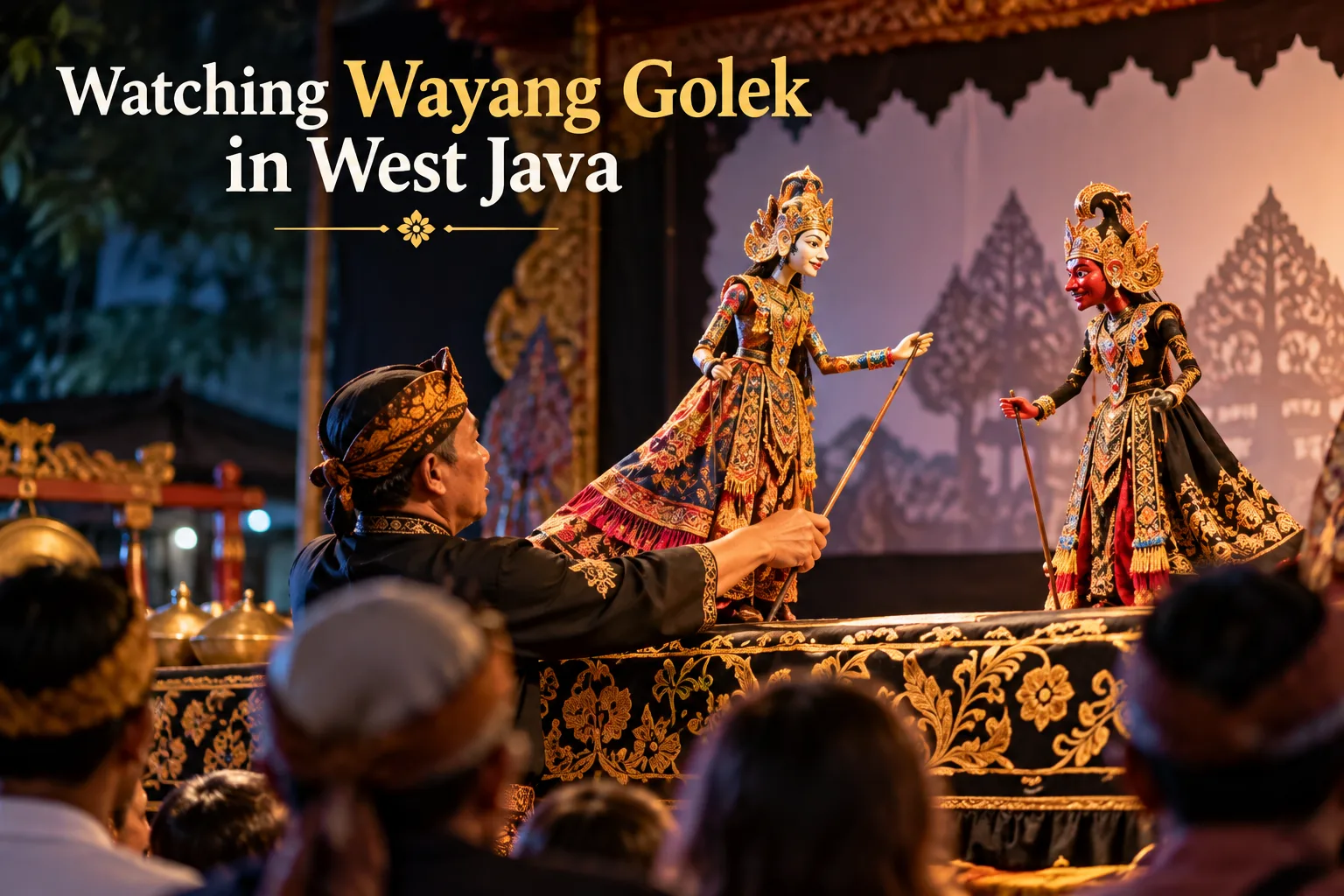
Discover the Magic of Wayang Golek in West Java
Indonesia is a country filled with extraordinary cultural traditions, from intricate batik textiles to traditional dances and enchanting musical performances. Among these treasures, Wayang Golek, a traditional wooden puppet theatre from West Java, offers a particularly fascinating way to discover the island's artistic heritage.
Unlike shadow puppetry, which uses flat leather figures projected onto a screen, Wayang Golek features three-dimensional wooden puppets with expressive faces, elaborate costumes, and movable arms. In the hands of a skilled puppeteer, these figures become unforgettable characters in stories filled with adventure, humor, wisdom, and moral lessons.
For travelers seeking an authentic cultural experience, watching Wayang Golek at a local festival or community celebration offers an opportunity to experience the traditions of the Sundanese people firsthand.
Imagine sitting among local families as the sounds of traditional instruments fill the air, colorful puppets appear onstage, and a master storyteller brings an ancient tale to life. It is a wonderful reminder that some of Indonesia's most compelling cultural experiences are found in its living traditions.


What Is Wayang Golek?
Wayang Golek is a traditional form of puppet theatre associated especially with the Sundanese cultural region of West Java, Indonesia.
The puppets are carved from wood and decorated with painted facial features, ornate headdresses, colorful clothing, and carefully designed accessories. Their heads and bodies create distinctive silhouettes, while movable arms allow performers to express gestures and emotions.
The word wayang refers to the broader world of Indonesian puppetry and puppet theatre, while golek refers to the three-dimensional wooden figures used in this particular tradition.
A central figure in every performance is the dalang, or master puppeteer. The dalang controls the puppets, provides their voices, narrates the story, and coordinates the dramatic action with accompanying musicians.
This combination of craftsmanship, performance, music, and storytelling makes Wayang Golek much more than a puppet show. It is a living art form that connects generations through shared cultural knowledge.
Why Watch Wayang Golek at a Local Festival?
Although visitors may encounter puppets in museums or souvenir shops, seeing them during a live performance reveals their true purpose.
1. Experience Sundanese Culture Firsthand
West Java has a distinctive cultural identity, expressed through its language, music, performing arts, cuisine, and community traditions.
Wayang Golek is one of the region's best-known traditional art forms. Watching a performance provides insight into the stories, values, and humor that have shaped Sundanese cultural life.
Local celebrations can also offer a more intimate atmosphere than a formal theatre, allowing visitors to experience how traditional entertainment brings communities together.
2. See Wooden Puppets Come to Life
A Wayang Golek puppet may appear to be a beautifully carved wooden object when displayed on a shelf. During a performance, however, its movements transform it into a character with a personality of its own.
The dalang manipulates the figure through rods and carefully controlled movements, making it gesture, turn, and interact with other characters.
Even subtle changes in posture can suggest anger, excitement, sadness, or comic exaggeration.
3. Enjoy an Art Form That Combines Multiple Talents
A successful performance requires more than skilled puppetry.
The dalang must remember stories, deliver dialogue, change voices, coordinate movements, and work with the musical ensemble. Musicians and singers contribute rhythm, atmosphere, and dramatic emphasis.
Watching these elements come together offers a deeper appreciation of the preparation and talent behind traditional Indonesian theatre.
Meet the Colorful Characters of Wayang Golek
One of the most enjoyable aspects of watching Wayang Golek is discovering the variety of characters.
The puppets are designed with distinctive facial expressions, colors, clothing, and accessories. These visual details help audiences recognize different personalities and roles.
Some characters appear noble and composed, while others are bold, mischievous, or deliberately exaggerated for comic effect.
Many Wayang Golek performances draw on stories associated with the Ramayana and Mahabharata, alongside regional legends, historical narratives, and other storytelling traditions. The exact repertoire depends on the particular style and performance.


The contrast between serious heroes and humorous characters helps make the performance engaging for audiences of different ages.
Even if you cannot understand the Sundanese dialogue, the puppets' movements, expressions, and interactions can still communicate much of the drama.
The Role of the Dalang: The Master Behind the Puppets
At the center of a Wayang Golek performance is the dalang.
Rather than simply moving puppets, the dalang acts as storyteller, performer, and director. A single skilled puppeteer can portray multiple characters, switching between voices and expressions as the narrative develops.
The role requires considerable memory, improvisation, timing, and knowledge of traditional stories.
The dalang must also coordinate with the musicians, using dialogue and movement to guide the pace of the performance. Comic scenes may create moments of laughter, while dramatic exchanges build tension.
In traditional puppet theatre, this combination of entertainment and storytelling has also provided a way to communicate moral values and reflect on social life.
For visitors, watching the dalang at work can be one of the most memorable parts of the experience.
Enjoy the Sounds of Traditional Sundanese Gamelan
Wayang Golek is closely associated with traditional Sundanese musical accompaniment.
The ensemble may include instruments such as metallophones, gongs, drums, and other members of a gamelan orchestra. Their rhythmic patterns help establish the atmosphere and support the changing pace of the story.
The music can make the performance feel lively and immersive. Rhythms accompany the puppets' movements, dramatic moments receive musical emphasis, and shifts in tempo help audiences follow the action.
For travelers interested in traditional music, Wayang Golek provides an opportunity to experience puppetry and live musical performance together rather than as separate art forms.
Stories, Humor, and Moral Lessons
Wayang Golek performances are not limited to heroic adventures.
Depending on the story, they may explore loyalty, courage, responsibility, wisdom, conflict, and the consequences of personal choices. Humorous characters can provide comic relief while commenting on everyday life.
The balance between serious storytelling and comedy is part of the tradition's appeal. A performance can move from an intense confrontation to a playful exchange without losing its connection to the audience.
For international visitors, these shifts offer a glimpse into how traditional theatre can entertain people while communicating cultural ideas.
You do not need to understand every line to appreciate the skill of the puppeteer, the timing of the jokes, or the emotional atmosphere created by the music.
Where Can You Experience Wayang Golek in West Java?
Travelers can look for Wayang Golek performances in cultural venues, community celebrations, arts events, and traditional ceremonies across West Java.
Bandung
Bandung is a useful starting point for travelers exploring Sundanese arts and culture. Look for local cultural events, performances, and arts programs that feature traditional puppetry.
Bogor and Surrounding Communities
The wider West Java region has a rich Sundanese cultural heritage. Community celebrations and local arts programs may provide opportunities to encounter traditional performances.
Cirebon and the Northern Coast
Cirebon has its own distinctive puppet traditions, including forms of Wayang Golek Cepak. Some performances draw on historical and local narratives that differ from the better-known epic repertoire.
A documented performance in Indramayu, West Java, for example, presented a local historical story during a community ritual celebration.
Travel tip: Wayang Golek is not necessarily performed every day at a fixed venue. Check local event listings, cultural centers, or community organizers before planning your visit around a particular show.
Tips for Enjoying a Wayang Golek Performance
Learn a little about the tradition beforehand. Understanding the role of the dalang and the difference between wooden puppets and shadow puppets makes the show easier to appreciate.
Arrive early. You may have time to observe the venue, see the musicians prepare, and examine the puppets before the performance begins.
Stay for the storytelling. Rather than treating the event as a quick photo opportunity, give yourself time to appreciate the dialogue, music, and changing characters.
Ask about the language. Performances may use Sundanese, Indonesian, or a combination, depending on the event. Ask whether a short introduction or explanation is available.
Respect local customs. Community celebrations may have religious, ceremonial, or family significance. Follow the host's guidance on seating, photography, and audience participation.
Support local artists. When available, consider purchasing authentic crafts or contributing through official tickets or donations.
Why Wayang Golek Remains an Important Cultural Tradition
In a world increasingly shaped by digital entertainment, traditional puppet theatre demonstrates the enduring power of live storytelling.
Wayang Golek brings together wood carving, costume design, music, performance, language, humor, and cultural memory. Each performance depends on the knowledge and creativity of the people who keep the tradition alive.
Indonesian wayang theatre was inscribed on UNESCO's Representative List of the Intangible Cultural Heritage of Humanity in 2008, following its earlier recognition in 2003. This recognition highlights the broader cultural significance of Indonesia's diverse wayang traditions.
For West Java's Sundanese communities, Wayang Golek remains an important expression of regional identity and artistic heritage.
Experiencing it in person helps visitors understand why preserving traditional performance is not simply about protecting old objects. It is also about supporting the people, skills, stories, and relationships that give those objects meaning.
Final Thoughts
Watching Wayang Golek in West Java is a memorable way to discover Indonesia's rich performing arts heritage. With its expressive wooden puppets, talented dalang, traditional gamelan music, and stories filled with humor and wisdom, this Sundanese art form offers a cultural experience unlike an ordinary sightseeing activity.
Whether you encounter a performance in Bandung, attend a community celebration, or explore the puppet traditions of Cirebon and its surrounding areas, take time to appreciate the craftsmanship and storytelling behind every scene.
You may arrive curious about the colorful puppets, but leave with a deeper understanding of Sundanese culture and the enduring importance of traditional art.
Sometimes, a simple wooden figure can tell a remarkable story—not only about heroes and legends, but also about the people and communities who continue to bring those stories to life.